schule walkeweg
concept & design by hirtz architektur
concept & design by hirtz architektur
AI MASTER AWARD | Winter Break
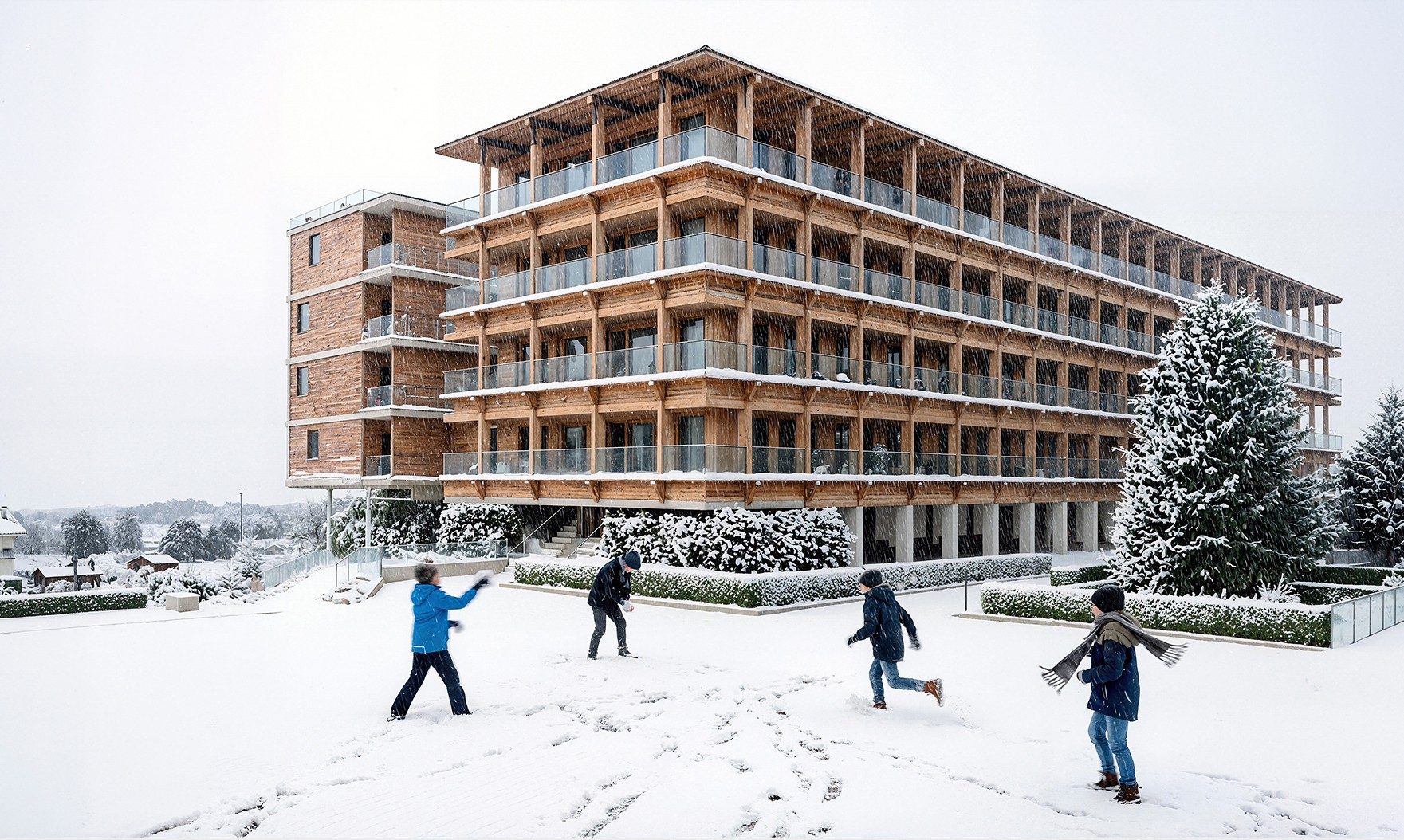
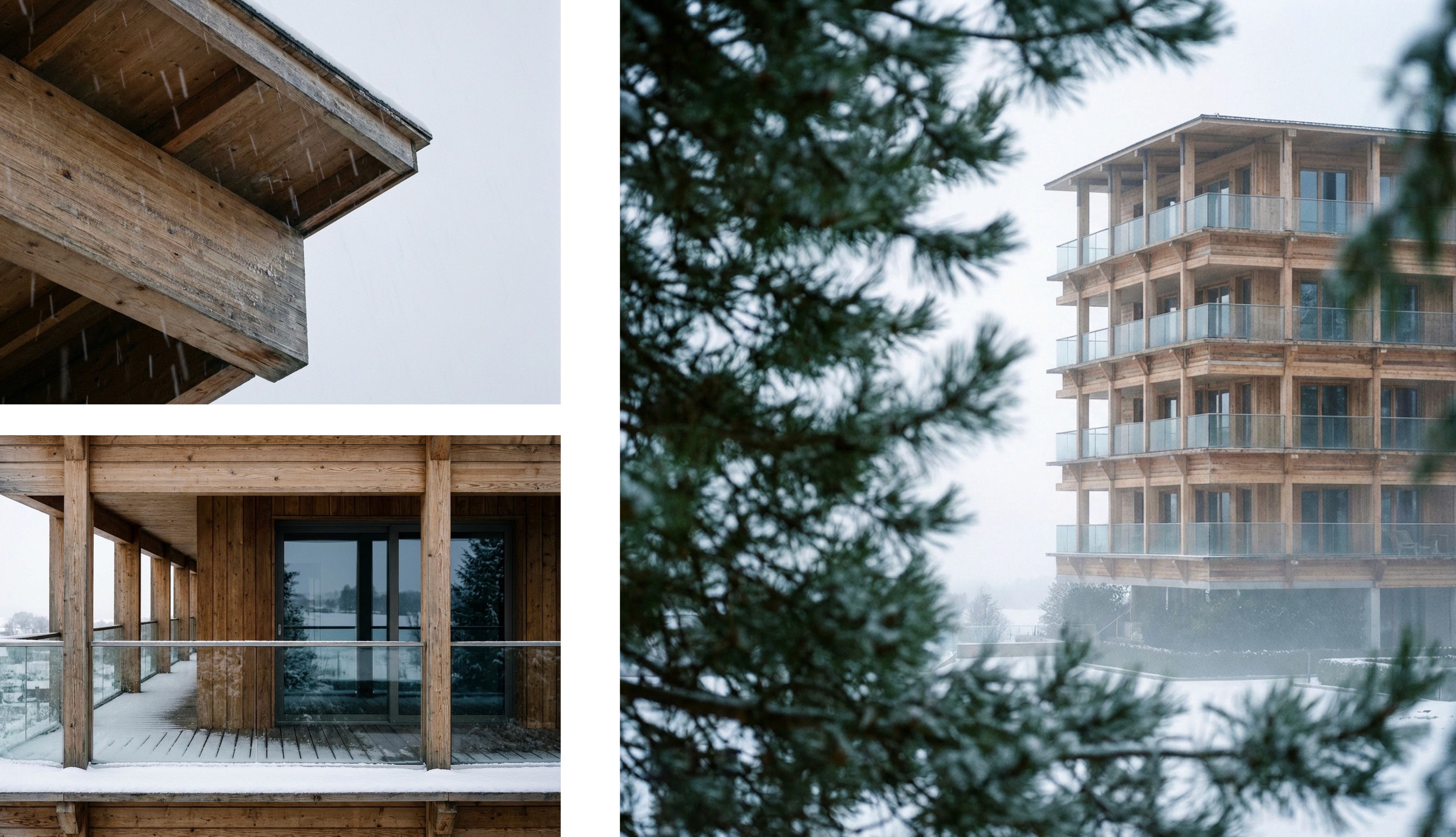
A quiet schoolyard in winter.
Snow has blanketed the building; edges blur, time slows.
We observe a still interval – shaped by season and action.
Laughter fades. Traces remain.
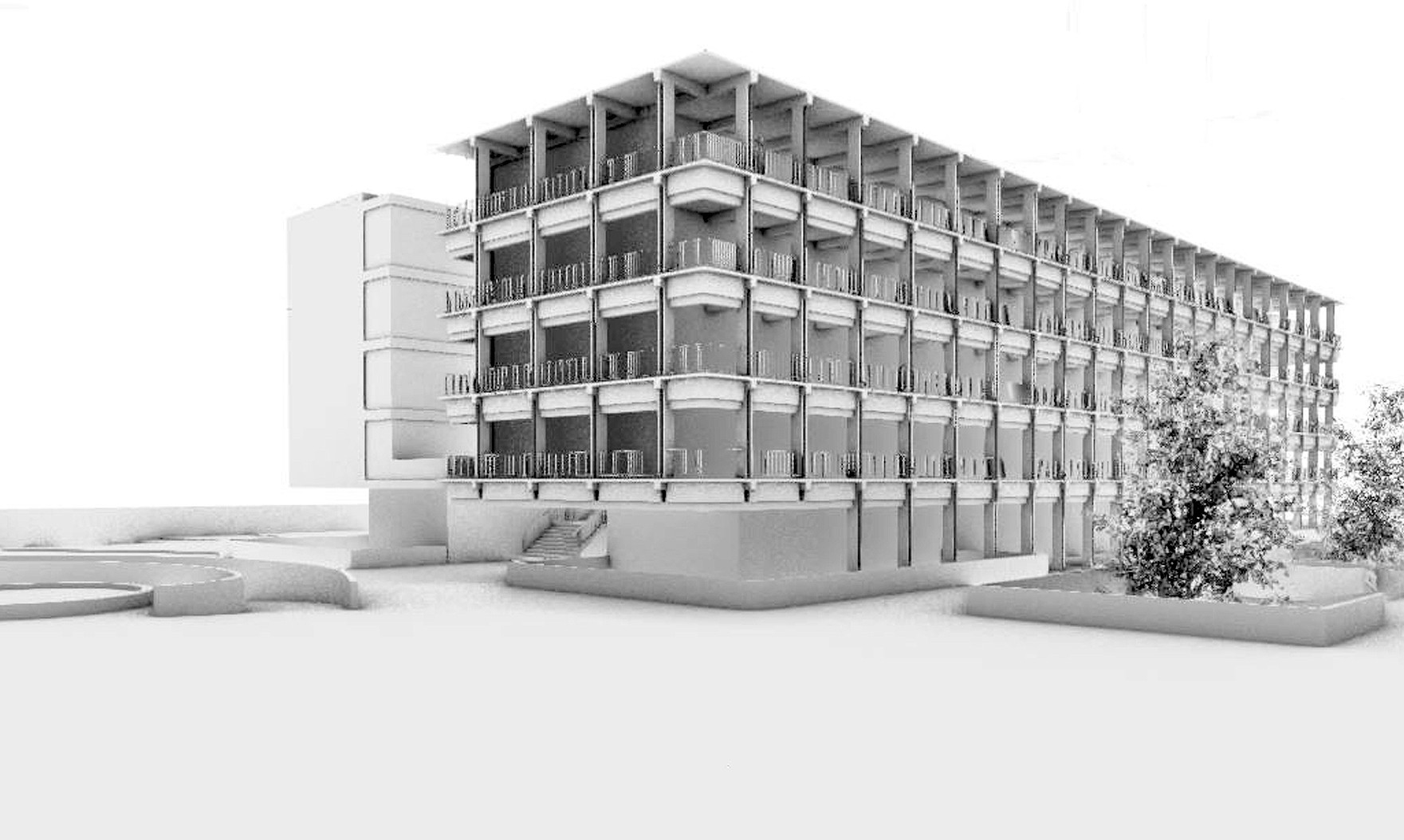
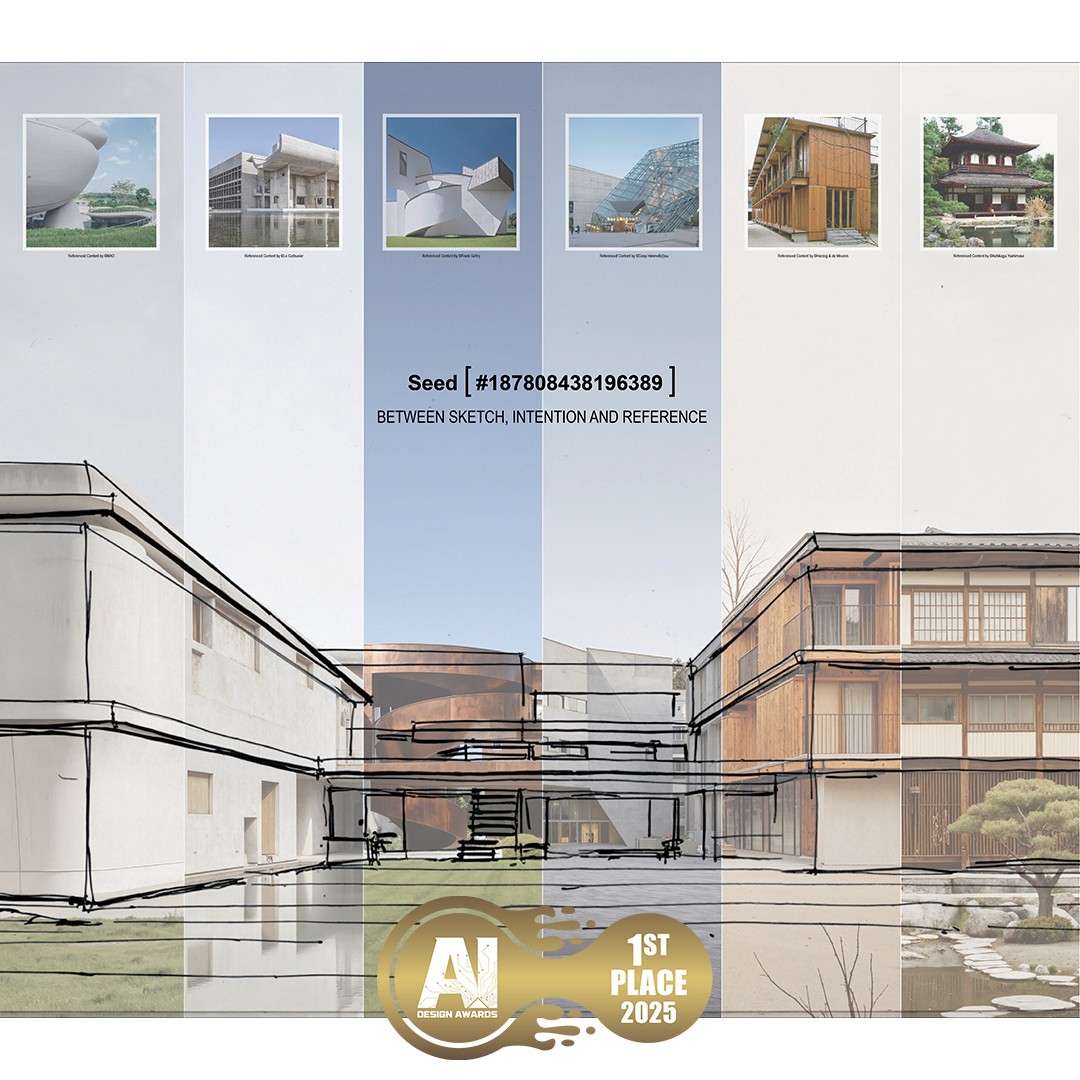
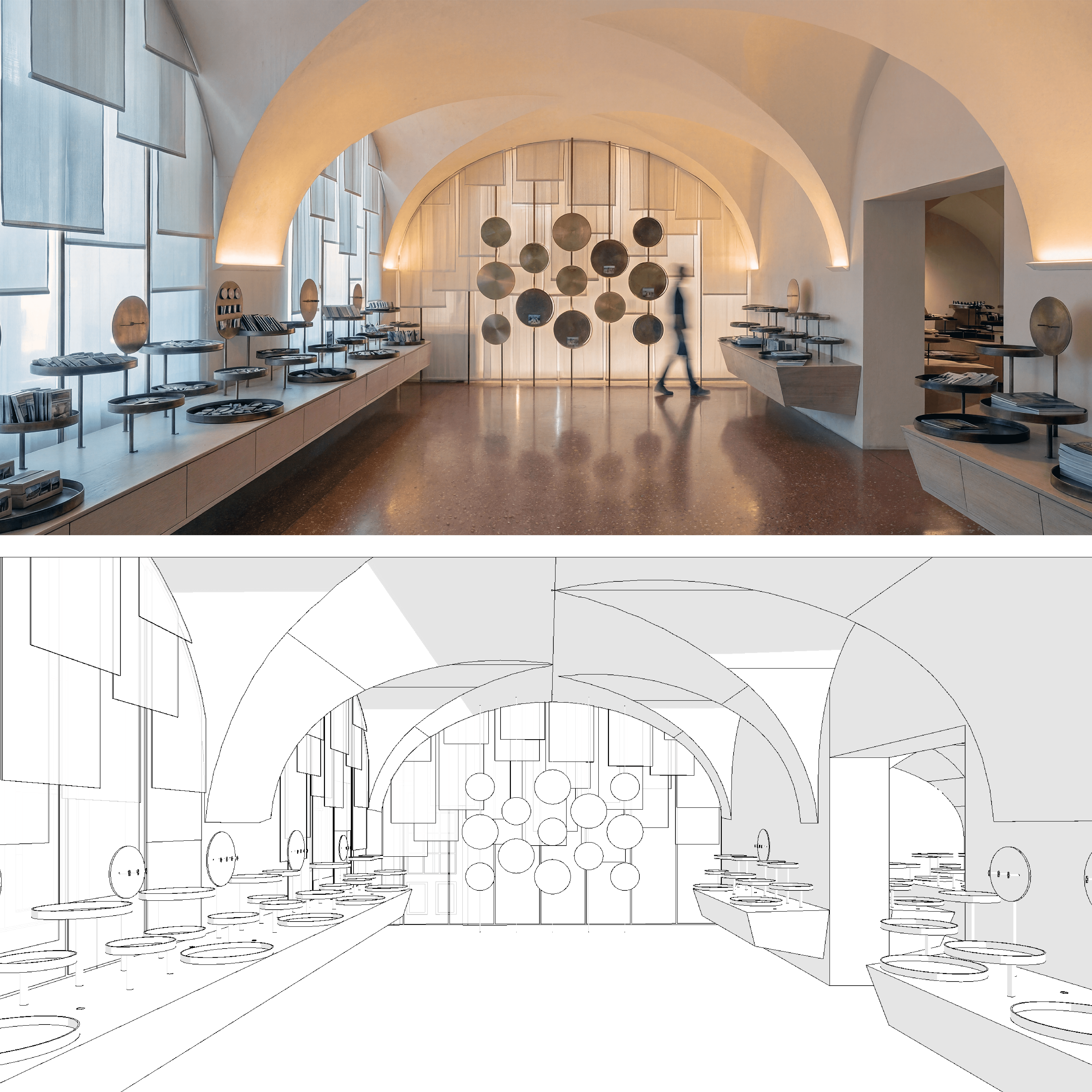
[ final image results from a controlled multi-pass workflow using seed-locked framing, geometric constraints, and atmosphere-focused iterations | two finetuned LLMs were used for variation control and descriptive refinement, feeding into a final compositional pass in Flux and Gemini | generated at 8K resolution and finalized at 4K for optimized detail and composition ]
AI MASTER AWARD | Winter Break
A quiet schoolyard in winter.
Snow has blanketed the building; edges blur, time slows.
We observe a still interval – shaped by season and action.
Laughter fades. Traces remain.
[ final image results from a controlled multi-pass workflow using seed-locked framing, geometric constraints, and atmosphere-focused iterations | two finetuned LLMs were used for variation control and descriptive refinement, feeding into a final compositional pass in Flux and Gemini | generated at 8K resolution and finalized at 4K for optimized detail and composition ]
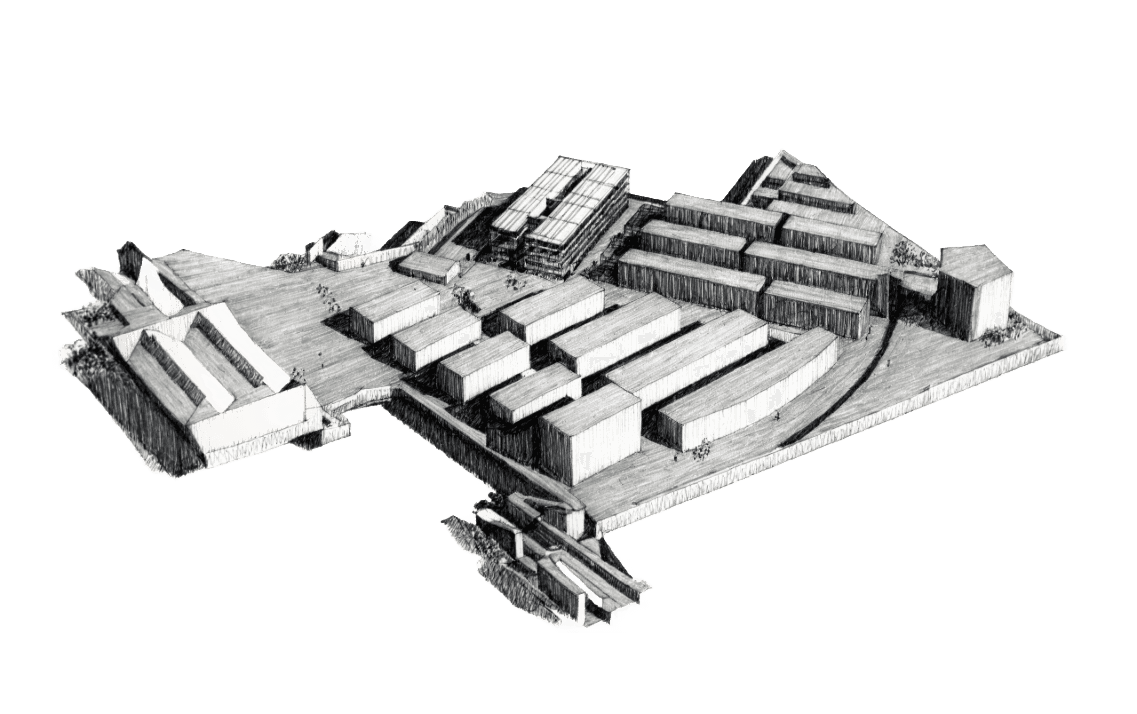
What we found on site was a peculiar emptiness. If the cemetery hadn’t been within sight, you might have assumed that this wasteland - strewn with collapsing huts, felled trees, and cut stumps - was the real field of the dead.
“Everything has to go,” says remediation. And so a century of vegetation and topography is erased. What remains is a deep void: encircled by railway lines, graves, and tram sidings, held in place by a wall that is shy yet unmistakable. But this void is not only an abyss. It is the beginning of a future landscape - one of countless urban fragments exposed to rapid, relentless change.
But what if we paused the usual routine of digging a hole and flattening it again? What if we interrupted the cycle - just for a moment? What if this new topography were allowed to define the site’s destiny, and the hole were accepted as a given, not merely a condition to be corrected?
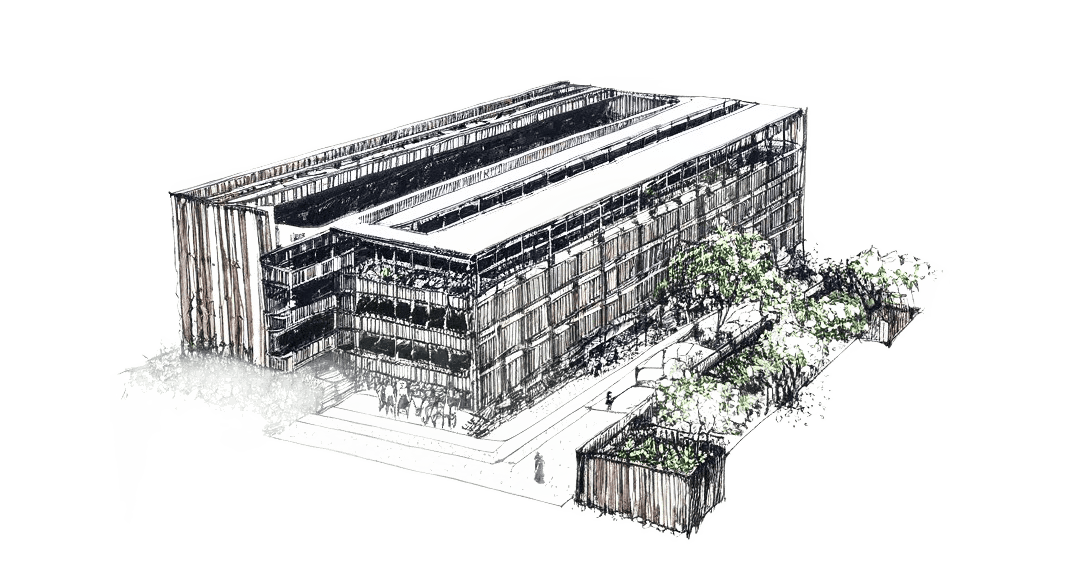
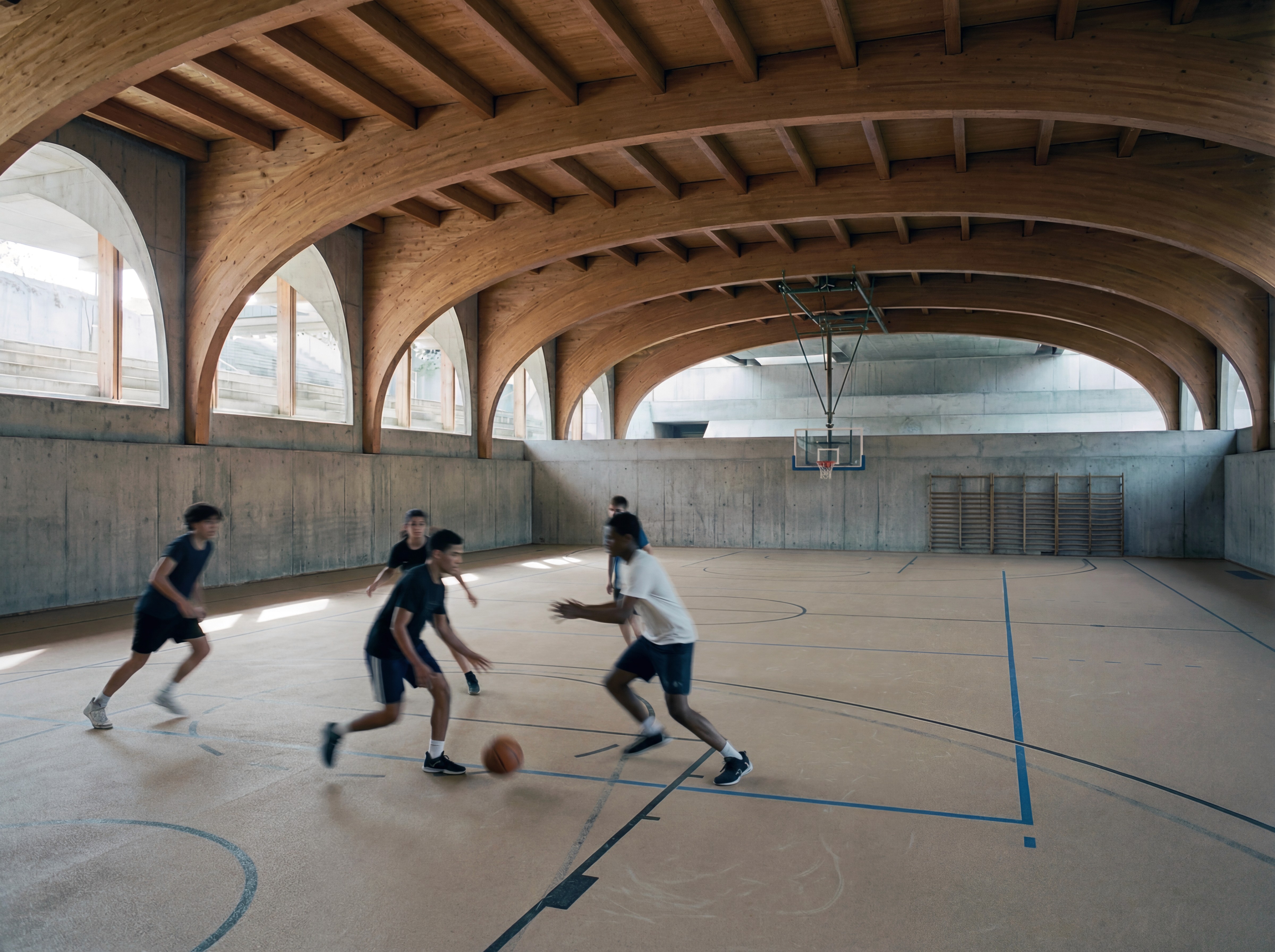
In the hollow stands the hall. Around it: green and wet ground. Above it, storey upon storey rises in layers while, like an alpine hut, the timber-and-earthy house settles on a stone base.

What we found on site was a peculiar emptiness. If the cemetery hadn’t been within sight, you might have assumed that this wasteland - strewn with collapsing huts, felled trees, and cut stumps - was the real field of the dead.
“Everything has to go,” says remediation. And so a century of vegetation and topography is erased. What remains is a deep void: encircled by railway lines, graves, and tram sidings, held in place by a wall that is shy yet unmistakable. But this void is not only an abyss. It is the beginning of a future landscape - one of countless urban fragments exposed to rapid, relentless change.
But what if we paused the usual routine of digging a hole and flattening it again? What if we interrupted the cycle - just for a moment? What if this new topography were allowed to define the site’s destiny, and the hole were accepted as a given, not merely a condition to be corrected?
In the hollow stands the hall. Around it: green and wet ground. Above it, storey upon storey rises in layers while, like an alpine hut, the timber-and-earthy house settles on a stone base.
.more

© 2026 A.I.gency (AIgency) - Simon Hirtz - Vienna
KI-unterstützte Inhalte
Alle Rechte vorbehalten
© 2026 A.I.gency
Framer · Nitro von Easyfast
KI-unterstützte Inhalte
Alle Rechte vorbehalten